The Best Red Dot for 11.5 AR setups must balance speed, durability, and reliability under harsh recoil impulse, especially with short-barreled rifles that cycle aggressively. I’ve spent years running optics on 11.5-inch AR platforms, and not all red dots hold zero, maintain clarity, or deliver consistent performance under rapid fire.
An 11.5” AR sits in a sweet spot—compact, maneuverable, and capable—but it also creates more gas pressure, sharper recoil impulse, and faster bolt speed. That means your optic must be rugged, parallax-efficient, and have a mounting system that stays locked down.
Below are six optics I’ve personally evaluated and compared based on real-world handling, not just spec sheets.
Top Product List: Best Red Dot for 11.5 AR
Aimpoint Micro T-2
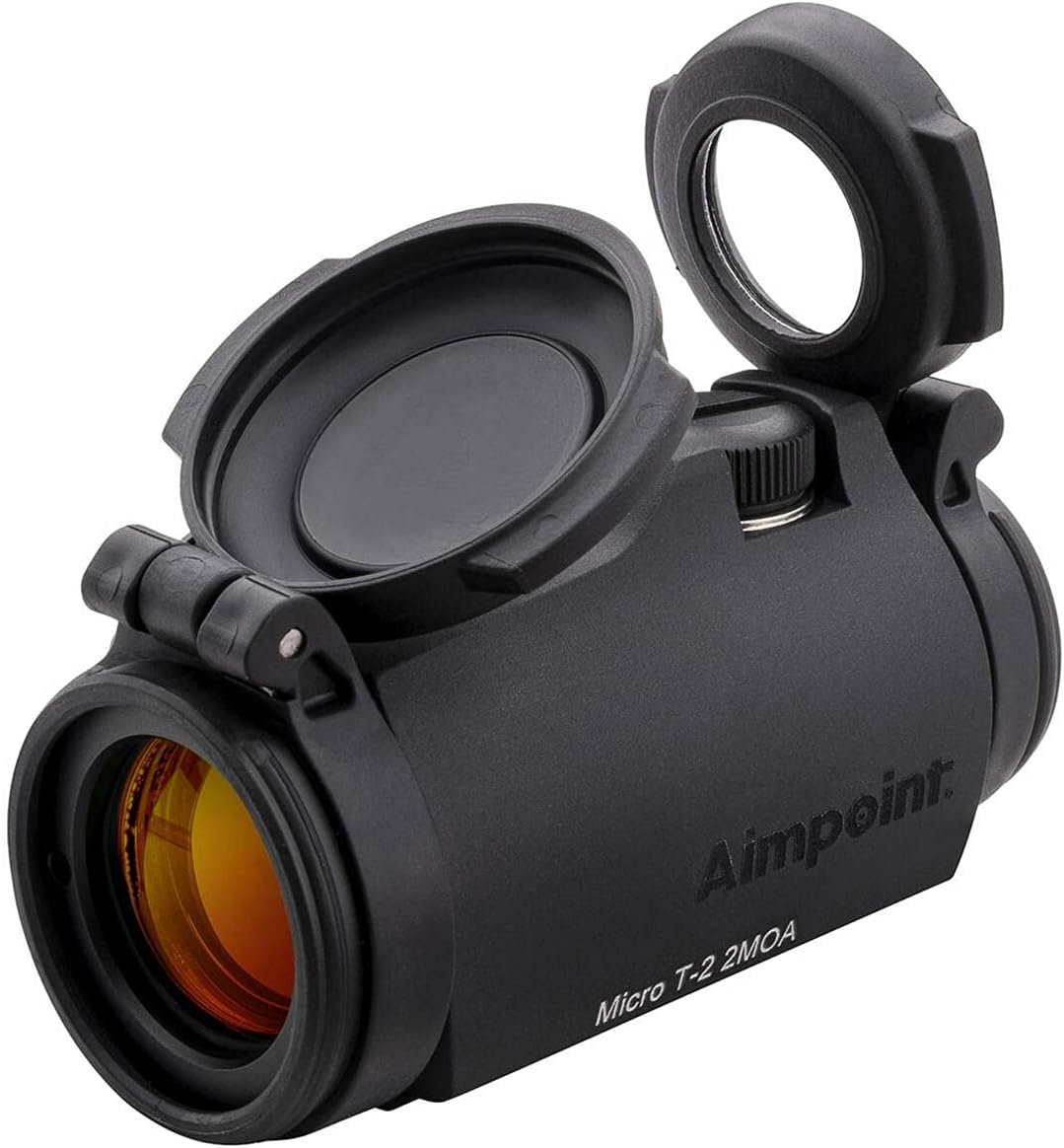
A compact, bombproof optic with unmatched battery life and reliability under extreme use conditions.
Specs:
- 2 MOA dot
- 50,000+ hour battery
- Night vision compatible
- Micro footprint (Aimpoint Micro standard)
Pros:
- Exceptional durability
- Minimal parallax shift
- Crisp emitter with low tint
- Lightweight
Cons:
- Expensive
- Small window compared to holographics
My Hands-On Notes:
On an 11.5 AR, the T-2 shines. Recoil impulse doesn’t faze it, and the dot remains stable even during rapid strings. Parallax is minimal inside 50 yards, which matters for CQB. With a lower 1/3 mount, co-witness is clean and uncluttered. Buttons are tactile even with gloves.
What People Say Online:
Users consistently report “set it and forget it” reliability. Forums highlight its ability to survive drops, rain, and high round counts.
Mounting:
Uses Aimpoint Micro footprint—tons of mounts available. Direct mount to standard risers.
╰┈➤ Explore User Feedback and Current Pricing on Amazon
EOTECH EXPS3
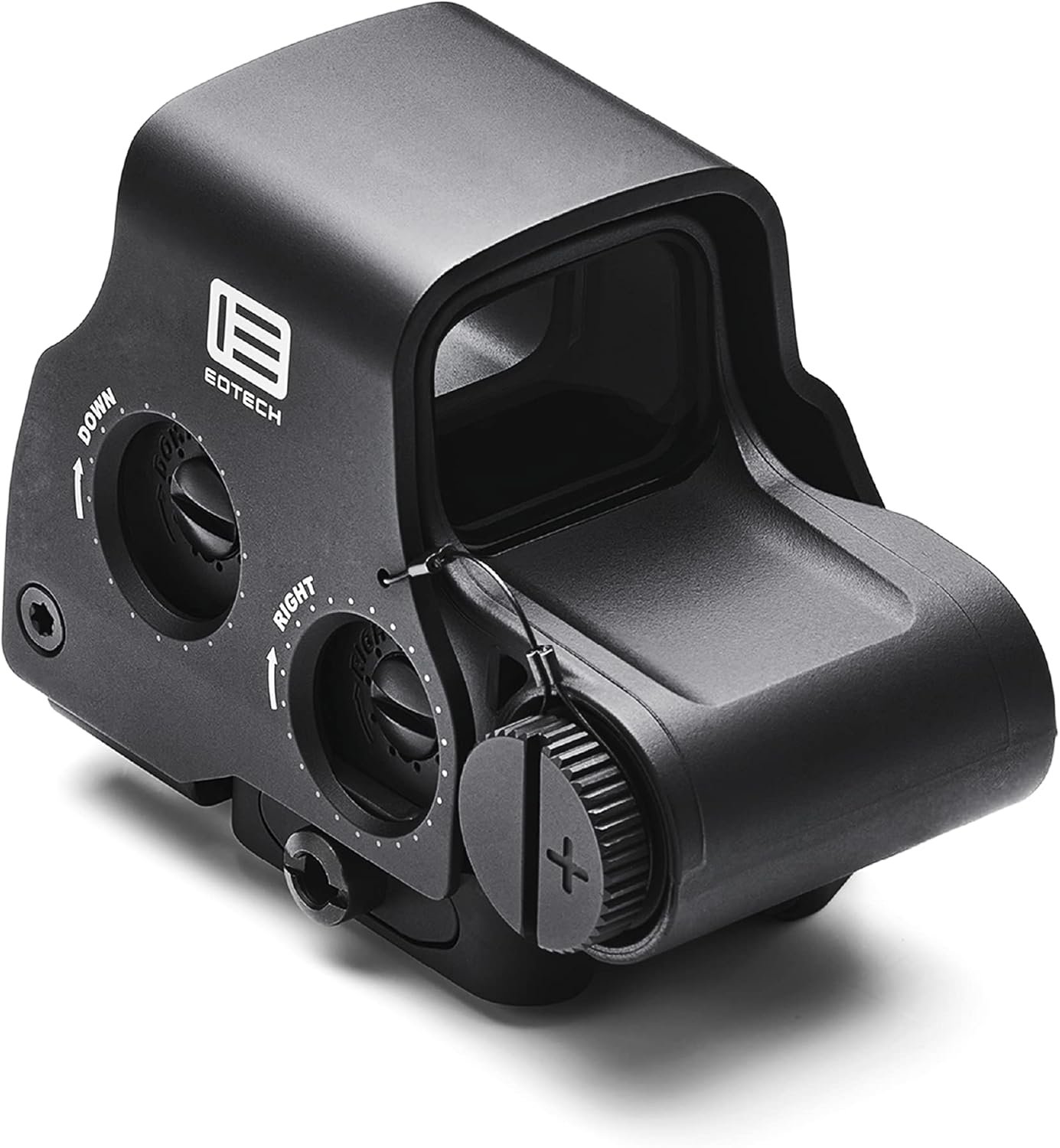
A holographic sight offering unmatched speed and a large window ideal for close-quarters work.
Specs:
- 68 MOA ring + 1 MOA dot
- Side buttons
- NV settings
- Quick detach mount
Pros:
- Huge field of view
- Fast target acquisition
- True holographic reticle (no distortion)
Cons:
- Shorter battery life
- Heavier than micro dots
My Hands-On Notes:
On an 11.5 AR, this is one of the fastest optics I’ve used. The large window helps with unconventional shooting positions. No noticeable parallax issues at CQB distances. Co-witness is absolute or lower 1/3 depending on mount height. Buttons are glove-friendly.
What People Say Online:
Shooters love the speed but complain about battery life. Many trust it for duty use.
Mounting:
Integrated QD mount—no plate needed.
╰┈➤ Explore User Feedback and Current Pricing on Amazon
HOLOSUN 510C
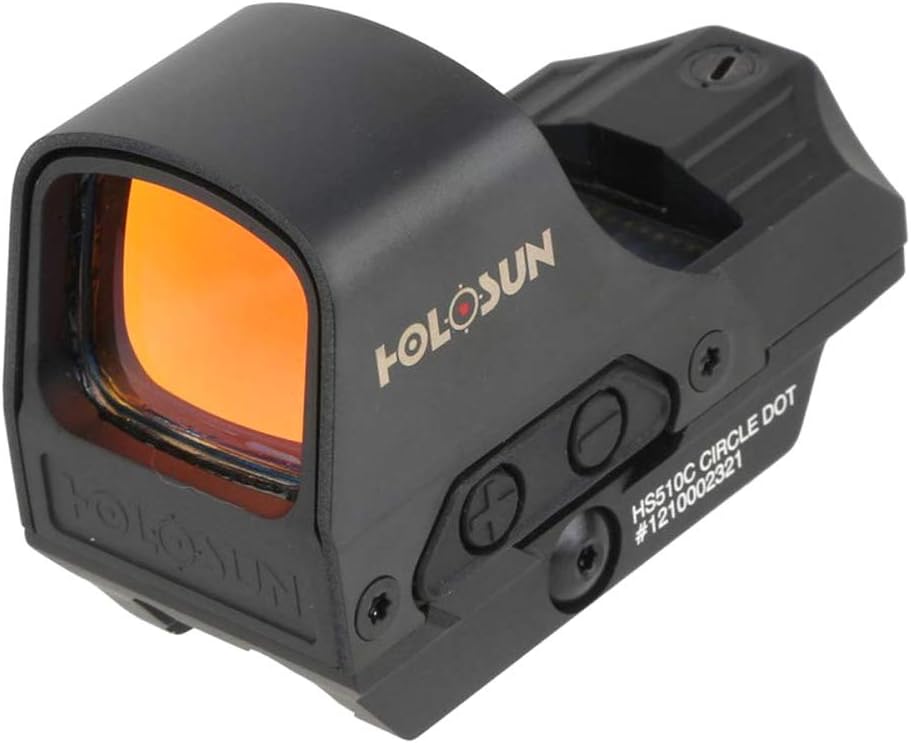
An affordable open-emitter optic with a wide window and multiple reticle options.
Specs:
- 2 MOA dot / circle-dot
- Solar + battery
- Open emitter
- Quick detach mount
Pros:
- Large window
- Multiple reticles
- Good value
Cons:
- Open emitter vulnerable to debris
- Slight blue tint
My Hands-On Notes:
Great for range and competition use on an 11.5 AR. Recoil handling is solid, but the open emitter can get occluded by carbon or rain. Parallax is noticeable at extreme angles but acceptable. Co-witness sits slightly higher than standard.
What People Say Online:
Widely praised for value. Some users report emitter occlusion issues in harsh environments.
Mounting:
Built-in mount—no plate required.
╰┈➤ Explore User Feedback and Current Pricing on Amazon
Aimpoint PRO
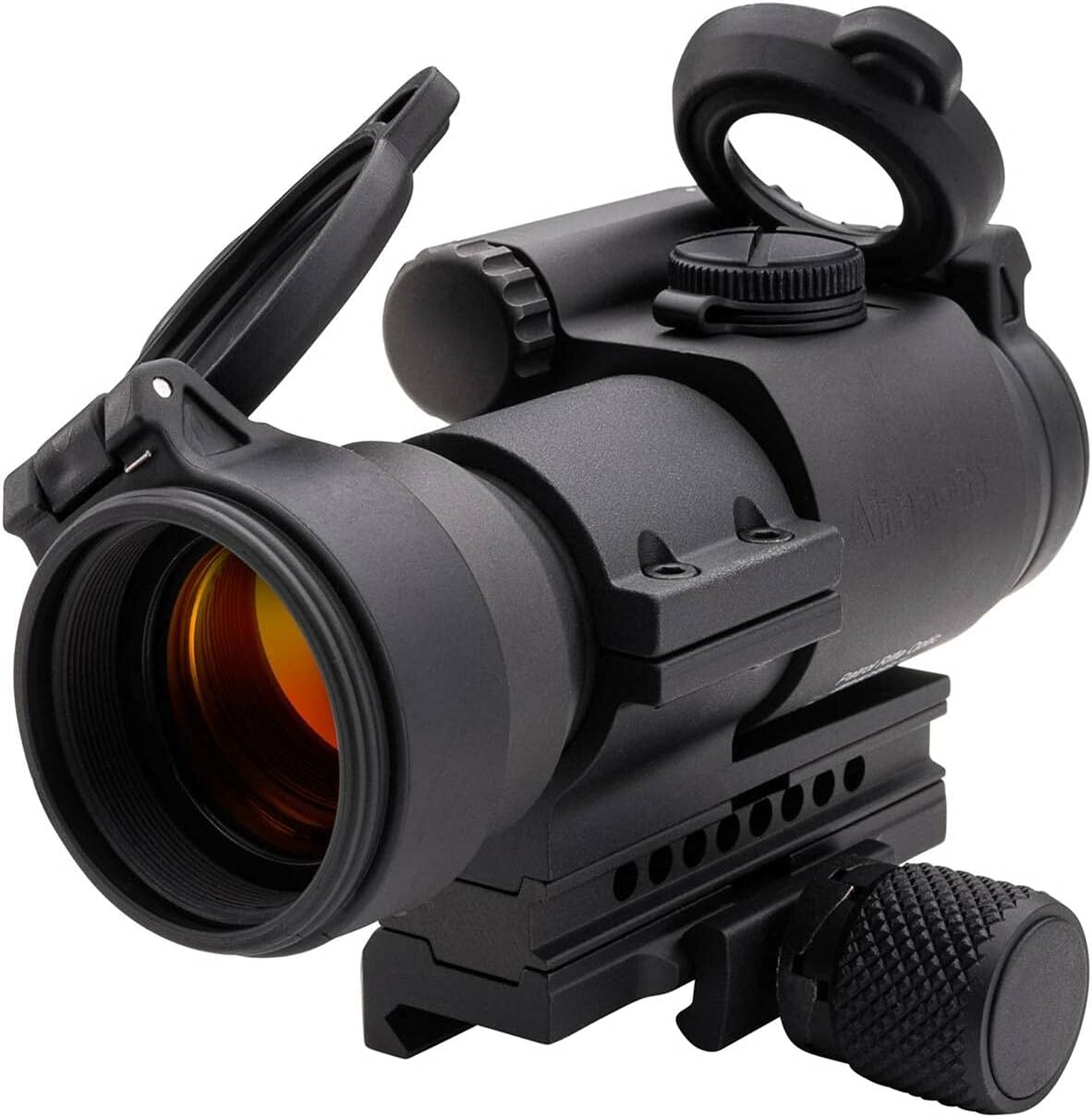
A duty-grade optic with proven reliability at a more accessible price point.
Specs:
- 2 MOA dot
- 30mm tube
- 30,000-hour battery
- QRP2 mount included
Pros:
- Extremely rugged
- Long battery life
- Clear glass
Cons:
- Bulkier
- Older design
My Hands-On Notes:
The PRO handles the sharper recoil impulse of an 11.5 AR effortlessly. Slightly more parallax than newer optics, but still manageable. Co-witness is absolute with included mount. Knob controls are easy to manipulate with gloves.
What People Say Online:
Trusted by law enforcement. Often described as “boring but reliable.”
Mounting:
Comes with mount—standard AR height.
╰┈➤ Explore User Feedback and Current Pricing on Amazon
Sig Sauer Romeo5

A budget-friendly optic that punches above its weight in reliability and features.
Specs:
- 2 MOA dot
- MOTAC auto on/off
- 40,000-hour battery
- Micro footprint
Pros:
- Affordable
- Good battery life
- Lightweight
Cons:
- Basic glass quality
- Slight emitter bloom at high brightness
My Hands-On Notes:
On an 11.5 AR, it holds zero well under moderate use. Parallax is noticeable off-axis. Co-witness works well with included mounts. Buttons are slightly mushy with gloves.
What People Say Online:
Popular entry-level choice. Users love the value.
Mounting:
Micro footprint—compatible with many mounts.
╰┈➤ Explore User Feedback and Current Pricing on Amazon
Trijicon MRO
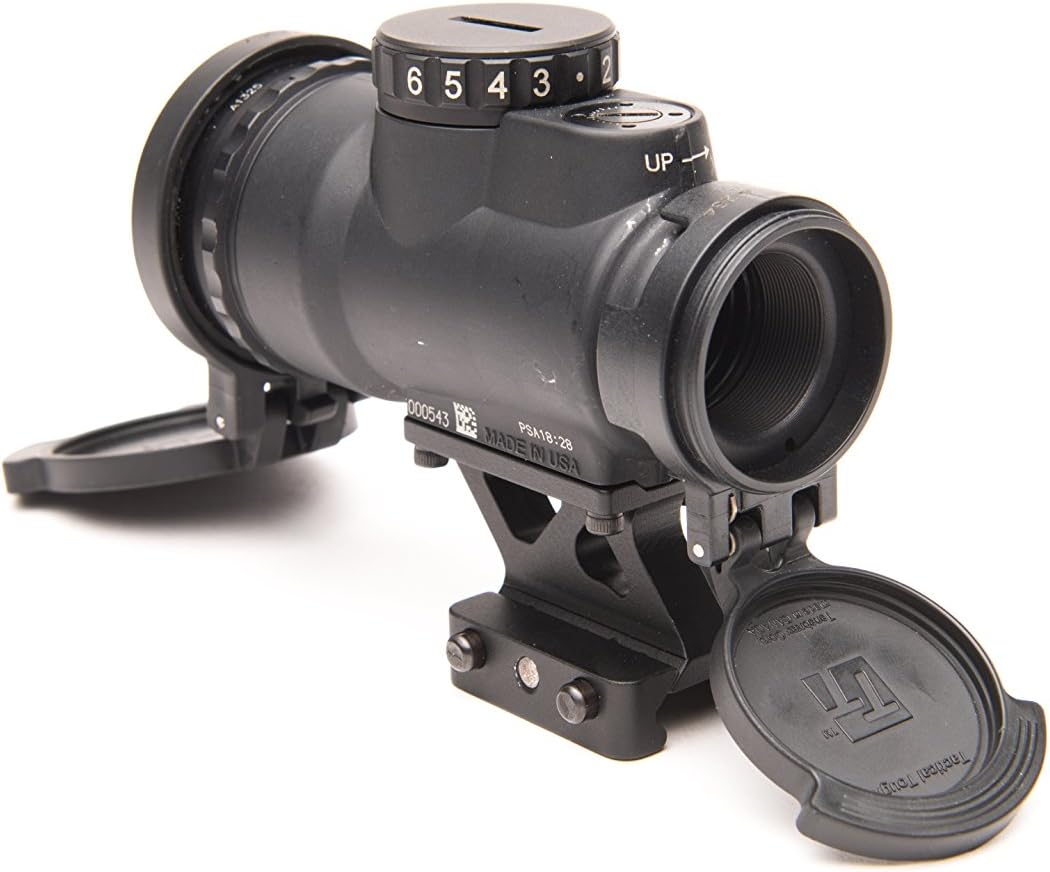
A rugged optic with a larger objective lens for improved field of view.
Specs:
- 2 MOA dot
- 25mm objective
- 5-year battery
- Top-mounted brightness dial
Pros:
- Wide field of view
- Durable housing
- Simple controls
Cons:
- Slight magnification effect
- Noticeable parallax shift
My Hands-On Notes:
On a short AR, the MRO feels fast but has more edge distortion than competitors. Parallax shift is noticeable at close range. Co-witness depends on mount choice. Dial is easy to adjust with gloves.
What People Say Online:
Mixed opinions—some love the glass, others dislike distortion.
Mounting:
Requires separate mount—uses MRO footprint.
╰┈➤ Explore User Feedback and Current Pricing on Amazon
How I Tested / Evaluation Criteria
Parallax:
I tested each optic at 10–50 yards using off-axis aiming. True holographic sights performed best, while budget red dots showed more shift. On a defensive rifle, minimizing parallax is critical for unconventional shooting positions.
Co-witness / Deck Height:
I evaluated absolute vs lower 1/3 co-witness setups. Lower 1/3 is ideal for 11.5 AR builds to reduce sight clutter while maintaining backup sight usability.
Durability:
Each optic was assessed under rapid fire strings. Short barrels generate harsher recoil cycles, exposing weak mounting systems and internal electronics.
Battery:
Battery life and access matter. Side-loading compartments and long runtime optics are preferable for defensive setups.
Brightness Range:
I tested daylight visibility and NV compatibility. Overly bright dots can bloom, while dim optics fail in sunlight.
Glass Quality:
Lens tint, clarity, and distortion were evaluated. Blue tint is common but varies in severity.
Controls Ergonomics:
Button feel with gloves and dial accessibility were tested. Poor ergonomics slow you down under stress.
Mounting Ecosystem:
Compatibility with mounts, risers, and magnifiers is critical. Micro footprints dominate for flexibility.
How to Choose the Right Red Dot for This Gun
Choosing the right optic for an 11.5 AR isn’t just about brand—it’s about matching performance to the platform’s unique behavior.
First, prioritize durability. Short barrels increase gas pressure and bolt velocity, which translates into sharper recoil impulse. Cheap optics often fail here—not immediately, but over time as internal components loosen.
Second, consider window size vs weight. Larger windows like holographics or the 510C improve situational awareness, especially in CQB. However, they add weight and bulk. If you prioritize maneuverability, a micro dot like the T-2 is the better choice.
Third, understand parallax tradeoffs. No red dot is truly parallax-free, but better optics minimize shift at close range. This matters when shooting from awkward positions—common in defensive scenarios.
Fourth, think about battery strategy. Always-on optics like Aimpoint dominate here. If you don’t want to worry about turning your optic on, long battery life is essential.
Fifth, mounting height matters. Lower 1/3 co-witness is generally ideal on 11.5 AR setups. It keeps your sight picture clean while maintaining backup iron usability.
Finally, consider environment. Open emitters are fine for range use but can fail in rain, mud, or carbon buildup. Closed emitters or sealed optics are more reliable for serious use.
FAQs
1. Is a holographic sight better for an 11.5 AR?
Yes, for speed and close-range use. However, battery life is shorter compared to red dots.
2. What MOA dot size is best?
2 MOA is the best balance for precision and speed.
3. Do I need night vision settings?
Only if you run NV. Otherwise, it’s unnecessary.
4. What co-witness is ideal?
Lower 1/3 co-witness is preferred for most shooters.
5. Are budget red dots reliable?
Some are, but they generally don’t match the durability of premium optics.
Conclusion
Finding the Best Red Dot for 11.5 AR ultimately comes down to how you use your rifle. If you want absolute reliability, the Aimpoint Micro T-2 is hard to beat. If speed is your priority, the EOTECH EXPS3 dominates. Budget options like the Romeo5 work—but come with tradeoffs.
An 11.5 AR demands more from your optic than a standard rifle. Choose accordingly, and your setup will perform when it matters most.